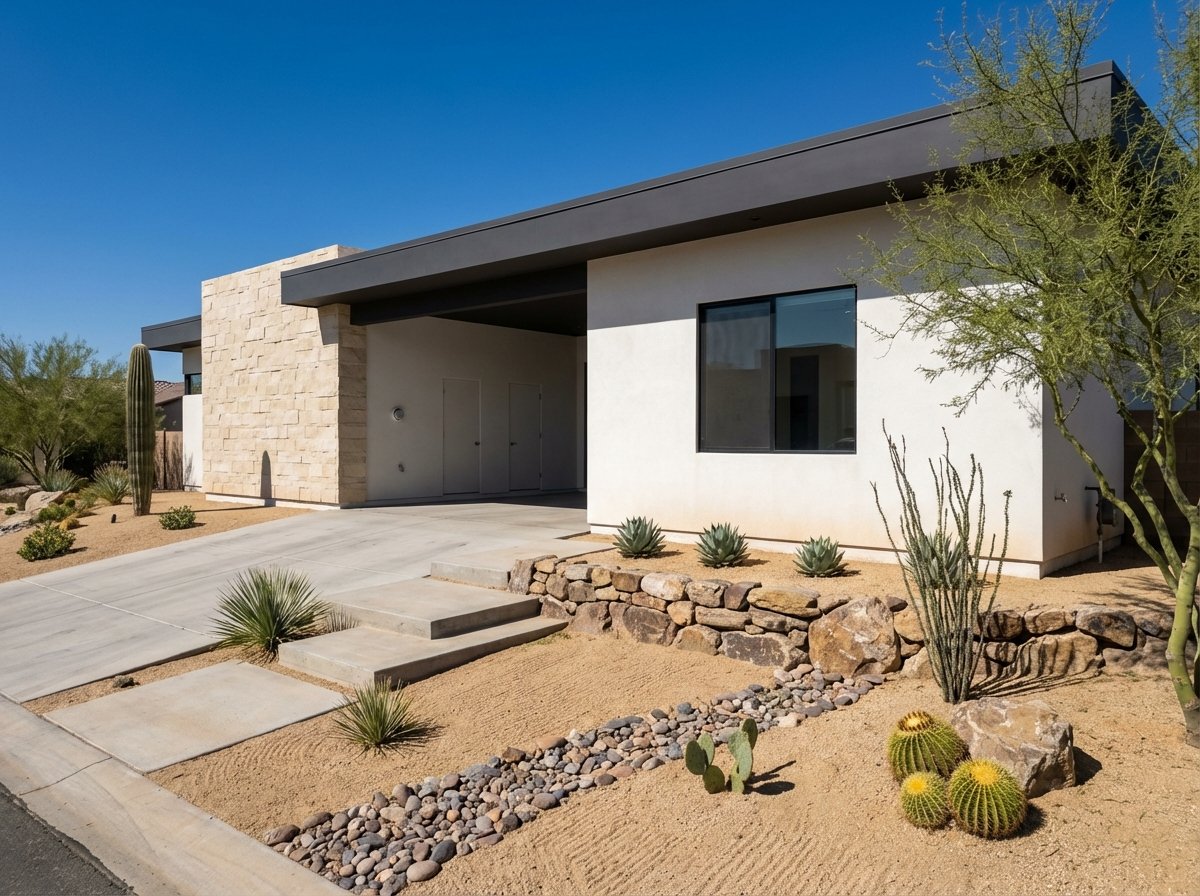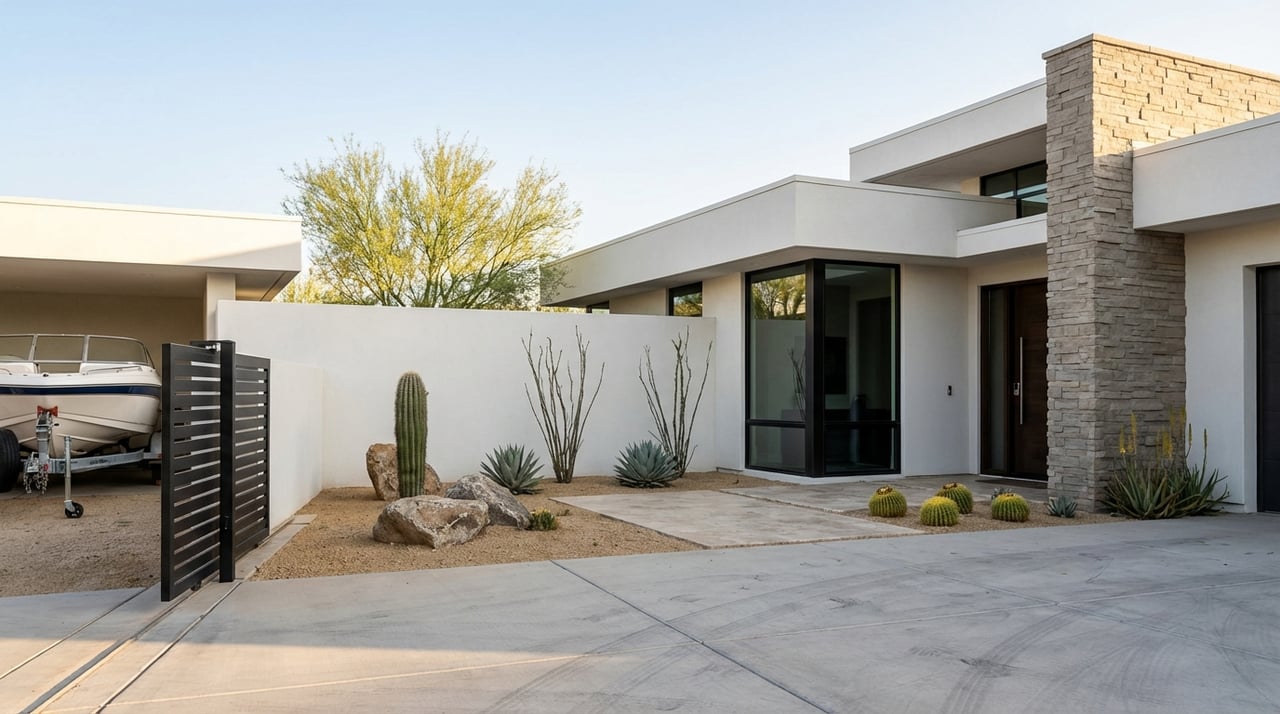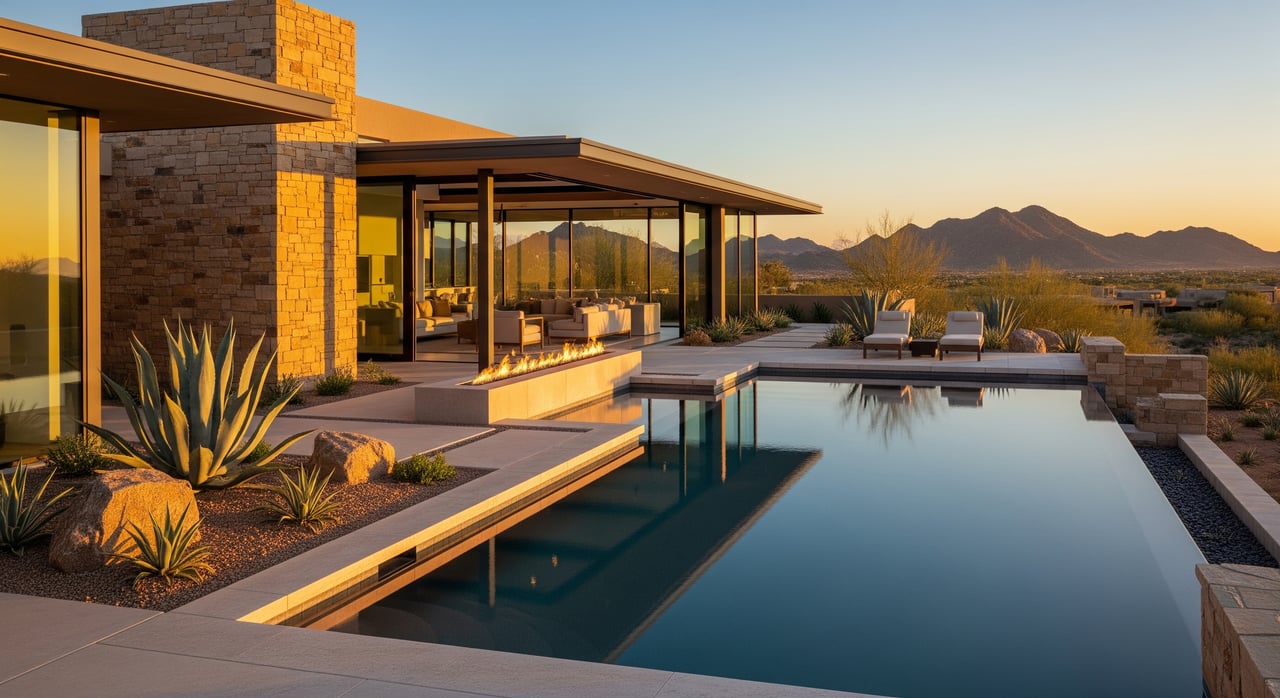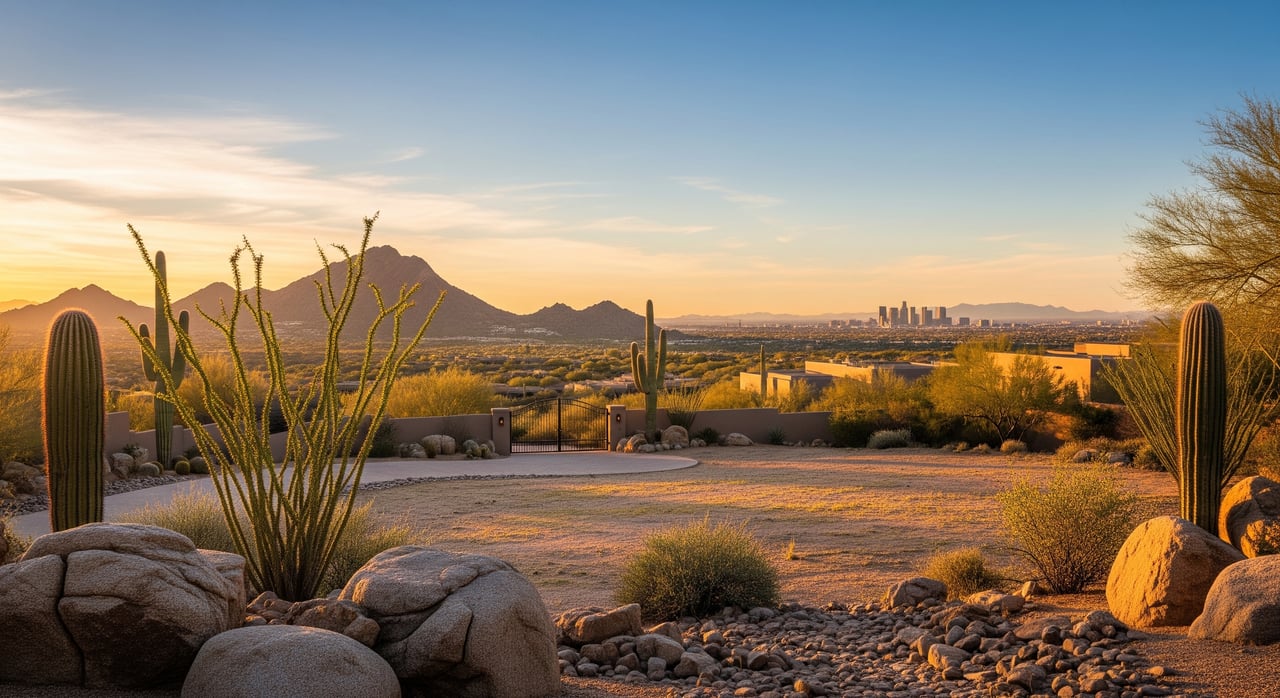
Two lots on the same Paradise Valley street can differ by seven figures. If you have ever wondered why, you are not alone. When you plan a custom build or a strategic teardown, the land itself is the biggest variable. In this guide, you will learn the factors that truly move lot value, how to translate a list price into land value, and the exact checks to protect your budget. Let’s dive in.
Location drives lot value
Macro and micro location
Proximity to Camelback Mountain and Mummy Mountain shapes desirability, especially where elevation and view corridors are stronger. Access to luxury resorts, golf clubs, and nearby Scottsdale or Phoenix dining and employment nodes also matters. Even within a single neighborhood, micro-location can shift value if a site sits closer to a ridgeline or open space with more permanent views.
Street and access factors
Quiet cul-de-sacs and private drives tend to earn premiums for privacy and lower traffic. Lots on busy collector roads see discounts due to noise and activity. The immediate street scene sets expectations for privacy and architectural scale.
Amenity adjacency and scarcity
Paradise Valley is small and largely built out, so truly buildable sites are scarce. This scarcity increases what buyers will pay for lots with fewer constraints. Adjacency to high-end amenities and low-density luxury neighborhoods raises perceived value.
Physical lot traits that matter
Buildable area vs lot size
Total square footage is not the whole story. The usable buildable area after setbacks, easements, slopes, and washes is what drives design flexibility and value. A large parcel with a wash or a wide utility easement can have less buildable area than a smaller, cleaner site.
Elevation, slope, and views
High ground and ridgelines can command premiums for mountain, valley, or skyline vistas. Steeper slopes increase costs for grading, drainage, retaining walls, and sometimes specialized foundations. You should weigh the view premium against the added construction complexity.
Orientation and privacy
Sun exposure influences outdoor living comfort in Arizona. West-facing sunsets can be beautiful yet add cooling loads. Mature vegetation, buffers, and distance to neighbors increase privacy and often value.
Shape, frontage, and existing structures
Irregular shapes or narrow frontages can limit your design options even if the lot is large. Existing improvements can help or hurt value. A tired home may present a teardown opportunity, but you must subtract demolition and entitlement costs to understand the true land value.
Rules that shape what you can build
Zoning, setbacks, and height
Local standards set your buildable envelope, lot coverage, and overall massing. The Town of Paradise Valley Planning and Zoning rules, along with any design guidelines, determine what is feasible. A beautiful site can underdeliver if regulations limit the home you want to build.
Easements and access constraints
Recorded utility easements or public rights of way remove buildable area and may dictate driveway placement. Shared-drive access easements can complicate site plans and reduce value. Always verify location and width of easements during due diligence.
Floodplains, washes, and protected features
Designated washes or FEMA flood zones affect insurance, setbacks, and engineering requirements. Protected natural features or archaeological finds can trigger mitigation and reduce usable area. These constraints change cost, timing, and value.
HOA and private rules
Some enclaves have CC&Rs with architectural standards, minimum home sizes, or defined building envelopes. These can enhance neighborhood quality or limit your design vision. Approval timelines and processes also affect holding costs.
Utilities and soils impact cost
Water, sewer, and septic
Whether a lot connects to municipal systems or requires septic affects feasibility and budgets. Confirm service location, capacity, and hookup requirements early. Long service runs can add meaningful costs.
Power, gas, and telecom
Overhead lines influence aesthetics and potential relocation expenses. Undergrounding or extending service across distance increases site work. Plan routing during feasibility so bids align with reality.
Soils, rock, and site prep
Regional soils often include rock and caliche. A geotechnical report identifies excavation difficulty, foundation needs, and trenching costs. Site prep line items commonly include grading, retaining, drainage solutions, and dust control.
Impact and hookup fees
Town and utility impact fees apply to new construction. These should be verified during budgeting and factored into your net lot value calculation. Underestimating fees can skew your buy box.
Market forces in Paradise Valley
Luxury demand and scarce comps
Paradise Valley is a luxury market with a thin stream of vacant-lot sales. Appraisers often reference improved sales with similar lot characteristics or recent teardowns. Scarcity amplifies premiums for prime attributes like views and privacy.
Teardown economics
Many buyers purchase the land value and plan to remove an older home. The math discounts demolition, carry, and soft costs before arriving at the implied lot price. That discount is why two similar parcels with different teardown costs can close at very different numbers.
Investor lens and timing
Investors gauge upside, holding costs, and the niche buyer pool for finished custom lots. Lending costs and confidence influence who can pay for raw or semi-improved land. Timing matters when you are underwriting resale or development risk.
Turn list price into lot value
Use this simple framework to translate an asking price into land value:
- Start with the listing price.
- Subtract estimated demolition if you plan a teardown.
- Subtract site preparation costs: grading, retaining, drainage, rock removal, and utility extensions.
- Subtract entitlement and permitting costs, including any variance processes and required off-site improvements.
- Adjust for construction premium due to slope, soils, or access complexity.
- The result is your implied lot price. Evaluate it against recent comparable lot or teardown transactions.
Focus on price per buildable square foot, not just gross acreage. Two adjacent parcels can price very differently once you remove area lost to setbacks, easements, slopes, and washes.
Compare two nearby lots the right way
- Buildable envelope after setbacks and easements.
- Elevation and permanence of mountain or skyline views.
- Slope and required retaining or specialty foundations.
- Privacy buffers, vegetation, and exposure to traffic or commercial uses.
- Utility proximity and whether service is overhead or underground.
- Presence and cost of removing existing structures.
- Zoning, CC&Rs, and any design review requirements.
- Floodplain or wash constraints and related engineering.
Paradise Valley due diligence checklist
- Verify title and deed, including recorded easements and restrictions with the Maricopa County Recorder.
- Confirm zoning, setbacks, lot coverage, height, and design review with the Town of Paradise Valley Planning and Zoning or Development Services.
- Check FEMA flood maps and Town floodplain designations for washes or regulated zones.
- Contact water, sewer, electrical, gas, and telecom providers to confirm service and hookup requirements.
- Order a current topographic survey for slope, contours, and likely building pads.
- Commission a geotechnical/soils report to identify rock, caliche, and foundation needs.
- Conduct a quick feasibility review with a local architect or civil engineer.
- Pull nearby lot, teardown, and new-build comps through local MLS data.
- Review HOA or CC&Rs for architectural standards and approval timelines, if applicable.
- Ask about environmental or archaeological considerations with Town or state agencies, if relevant.
- Secure preliminary estimates for demolition, grading, trenching, and retaining walls from local contractors.
Build your advisory team
- Paradise Valley luxury real estate agent with land and teardown experience.
- Title and escrow professionals familiar with Maricopa County records.
- Civil engineer and site-planning architect with desert grading expertise.
- Geotechnical engineer for soils and bedrock analysis.
- Permitting specialist or land-use attorney for complex entitlements.
- Local builder or contractor for early-stage cost validation.
- Appraiser experienced in luxury land and teardown valuation.
The bottom line
Lot value in Paradise Valley is a blend of physical site strengths, regulatory reality, and market scarcity. The winners combine a generous buildable envelope, protected views, efficient access to utilities, and minimal entitlement friction. When you run the numbers with discipline, you can separate a premium site from an expensive headache. If you want a second set of expert eyes on buildability, costs, and resale potential, reach out.
If you would like builder-level due diligence and a clear plan from first tour to closing, connect with Brian Snodgrass for discreet, high-touch representation.
FAQs
Why do equal-size Paradise Valley lots vary so much in price?
- Usable buildable area, view permanence, elevation, privacy, utility access, and teardown or site-prep costs commonly explain large price gaps.
How much do Camelback or Mummy Mountain views add in Paradise Valley?
- Views carry recognized premiums in luxury markets, with magnitude tied to permanence, elevation, and buyer demand. Verify impact through recent local comparables and an appraiser.
Are sloped or ridgeline Paradise Valley lots worth it versus flat lots?
- Ridges can deliver dramatic views and privacy but raise costs for grading, retaining, and foundations. Balance the view premium against higher build costs using local bids and comps.
What hidden site costs should I expect before building in Paradise Valley?
- Common add-ons include rock or caliche removal, retaining walls, specialized foundations, longer utility runs, and permit or impact fees for custom projects.
Can I subdivide a larger lot in Paradise Valley?
- Subdivision depends on zoning and minimum lot sizes and is often difficult in built-out luxury areas. Consult Town planning early in your feasibility.
How do I check for washes or flood zones on a Paradise Valley property?
- Review FEMA flood maps and Town floodplain designations, then confirm setbacks and engineering needs with your civil engineer and the Town during due diligence.