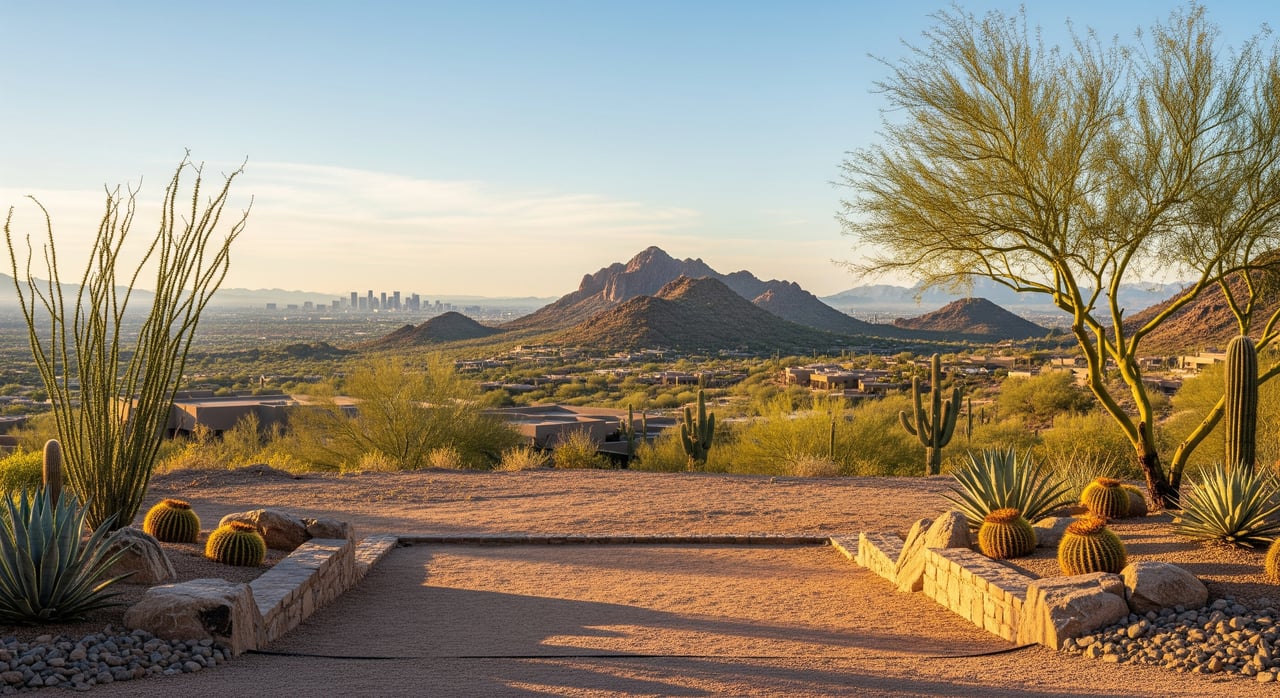
Buying or selling a view lot in Paradise Valley can feel thrilling and risky at the same time. You can see the mountains, the sunsets, and the city lights, but you also need to confirm what is buildable, what it will cost, and whether your views will last. With the right due diligence, you protect value and make decisions with confidence. This guide shows you how to evaluate a view lot like a pro so you capture what matters and avoid costly surprises. Let’s dive in.
What defines a great view in Paradise Valley
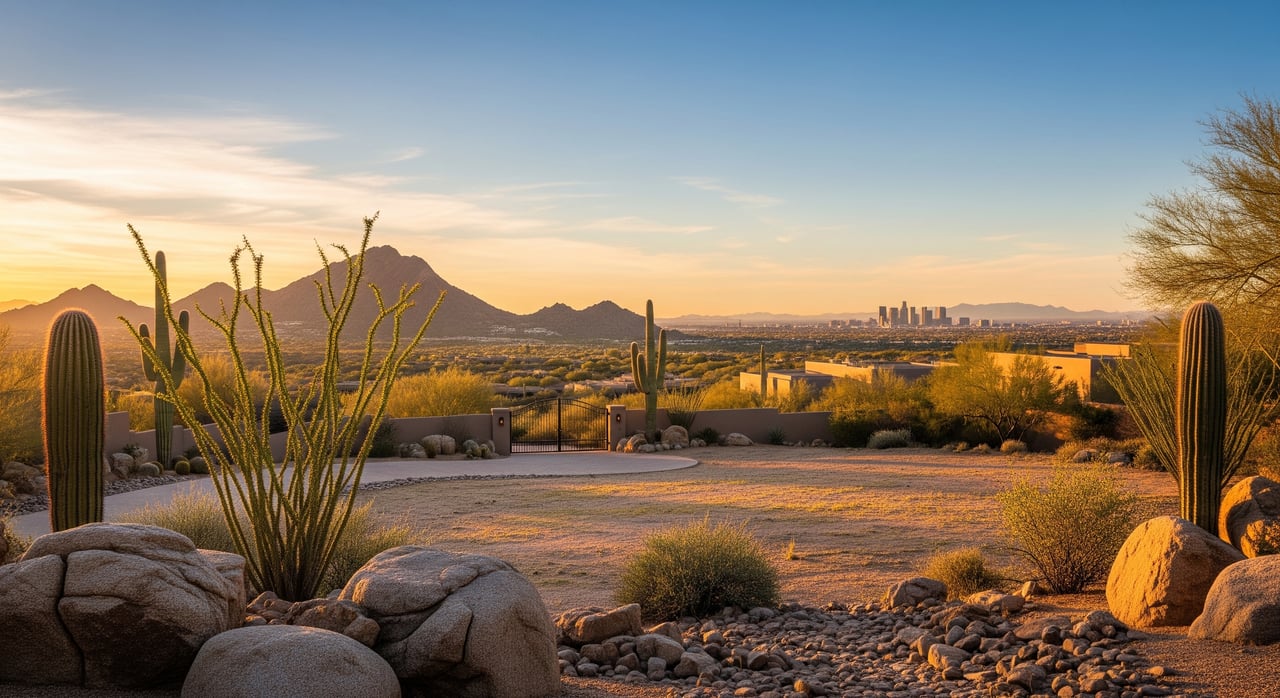
In Paradise Valley, top views center on Camelback and Mummy Mountain ridgelines, broad valley panoramas, and city lights at night. Elevated lots often deliver wider sightlines, while lower, flatter parcels can frame dramatic mountain silhouettes. You also want views that feel private and permanent, not easily lost to future construction or landscaping. The best lots balance sightlines with practical buildability and access.
Topography and elevation: where the view starts
Slope and elevation shape your daily experience and your budget. Steeper lots can unlock incredible vistas but typically require more complex foundations, retaining, and grading. Driveway design, garage placement, and safe access all depend on contours and cut-and-fill feasibility.
- Order a topographic survey early with contours and spot elevations.
- Walk the lot with a builder or engineer to test driveway grades and turning radius.
- Identify the most likely pad for main living areas and the pool, then stand there to judge true sightlines.
- Budget for retaining walls and drainage if you see steep transitions or rock outcrops.
Soils, rock, and drainage: hidden costs to uncover
Sonoran Desert parcels can include hard bedrock, caliche, or thin soils. Excavation for basements or deep footings can escalate costs without a soils report. Natural washes concentrate stormwater and can add engineering and permit steps.
- Commission a geotechnical (soils) report to confirm footing depth, slope stability, and excavation difficulty.
- Check FEMA flood maps and town floodplain resources for any flood or wash constraints.
- Visit after seasonal storms if possible to see how water moves across the site and any access points.
Orientation, sun, and microclimate
Paradise Valley’s sun path matters. West and southwest exposures can deliver stunning sunsets and city lights but collect more late-day heat. North exposures are cooler and can reduce solar gain, while east-facing spaces capture softer morning light. Consider pool placement, shade structures, glazing, and energy strategies as you weigh view angles.
- Map how the sun hits main outdoor areas across seasons.
- Plan for shade, landscape cooling, and energy-efficient design if chasing sunset views.
- Balance glass size with performance so you enjoy views without hot spots.
Vegetation and seasonal sightlines
Native trees and desert vegetation add beauty and privacy, but they can also grow into your view. Neighboring landscaping choices matter as much as your own. A long-term plan for selective trimming and species choice keeps views open while respecting regulations.
- Walk the lot in different seasons when possible to gauge growth and foliage density.
- Consult an arborist if key trees sit in your view corridor or if trimming rules may apply.
- Check any CC&Rs for landscape and wall-height guidelines.
Utilities, access, wildfire, and environmental checks
Utility availability and easements influence design and costs. Older parcels may need extended laterals or septic evaluation. While wildfire risk is different from forested regions, brush fires and defensible space are still considerations. Environmental or cultural resource checks can surface protected vegetation or artifacts that affect grading.
- Confirm sewer, water, electric, gas, and fiber locations, plus any off-site easements.
- Verify driveway access and any shared or recorded access rights.
- Review local fire guidance on defensible space and brush management.
- Ask about protected flora or cultural resources that may impact site work.
Zoning, permits, and protecting your view
Town of Paradise Valley planning rules define what you can build. Lot coverage, setbacks, height limits, and any hillside or foothills overlays determine your building envelope and how well the home can capture the view. Recorded easements and private covenants also matter.
- Have title reviewed for recorded easements, including utility, drainage, access, or any rare view easements.
- Check the plat, CC&Rs, and any neighborhood guidelines that affect walls, trees, or lighting.
- Investigate adjacent parcels for their zoning and allowed build heights to gauge future obstruction risk.
- Confirm permit pathways for grading, retaining walls, drainage, and hillside requirements if applicable.
Important reality: views are not automatically protected. Without a recorded view easement or specific covenant, neighbors may build within their rights. Some buyers negotiate a view easement or even purchase adjacent land to secure sightlines.
Valuing the view premium
A view’s value depends on quality, rarity, permanence, and buyer demand. Full ridgeline or wide valley panoramas typically command stronger premiums than partial or easily blocked views. Buildability, orientation, and elevation all play into market value.
- Use recent closed sales with similar view quality and build constraints.
- If perfect comps do not exist, adjust for lot size, slope, orientation, and access.
- Consider time-of-day and twilight imagery during valuation since night views can shift buyer perception.
- Align your approach with your goals: lifestyle buyers may prioritize sunsets and privacy, while investors weigh resale and marketability.
Step-by-step due diligence checklist
Use this practical flow before you write an offer and again during your inspection window.
Pre-offer research
- Review current listing photos, historical aerials, and topographic maps.
- Run a quick viewshed check using elevation profiles to spot potential obstructions.
- Check flood maps, town zoning information, and county records for easements and parcel history.
Site visits
- Visit at sunrise, midday, sunset, and at night to see light, heat, and city-light quality.
- If possible, tour after a monsoon storm to evaluate drainage and access.
- Stand where key rooms and the pool are likely to sit to judge real sightlines.
Professional reports to order before closing if building is planned
- Topographic survey with spot grades and existing improvements
- ALTA/land title survey confirming boundaries and easements
- Geotechnical report for foundation and slope stability
- Civil engineering concept plan for grading, retaining walls, driveway, and stormwater
- Structural and retaining wall feasibility as needed
- Arborist assessment if trees affect views or trimming rules could apply
- Floodplain or drainage letter with map confirmation
- Utilities locate report and service letters for sewer and water
Key questions to ask the seller, agent, or municipal staff
- Is there a recorded view easement or conservation easement on or near the property?
- Are there pending permits or proposed projects on neighboring parcels?
- What is the zoning designation, allowed setbacks, and maximum building height?
- Are there utility or drainage easements across the lot and where are main connections?
- Any known drainage, erosion, or slope movement issues?
- Do CC&Rs or HOA rules limit landscaping, tree removal, or external improvements?
Risk management
- Negotiate contingencies tied to survey, soils, and permit feasibility.
- Explore a recorded view easement with neighbors when practical.
- If selling, disclose sightline constraints and provide professional reports to build buyer confidence.
Red flags that should slow you down
- No topographic survey and unclear buildable area on a sloped lot
- Uncertain sewer access or long utility runs without cost estimates
- Adjacent vacant parcel with a higher building pad or more permissive height limits
- Wash crossing a proposed driveway or evidence of concentrated storm flows
- CC&Rs that restrict tree trimming or impose wall-height limits that affect privacy and views
- Driveway grades that appear steep or unsafe without switchbacks or retaining
- Hillside or special overlay requirements that were not budgeted
- Lack of a recorded access or utility easement where one appears necessary
For sellers: present the view with precision
Strong presentation helps buyers see the full value of your lot. Invest in high-quality daytime, sunset, and twilight photography, plus drone and aerial imagery to capture ridgelines and city lights. Clear elevation context and sightline visuals help buyers understand what is possible.
- Stage outdoor areas to direct attention toward the best view corridors.
- Provide site plans, surveys, and any soils or drainage reports to reduce uncertainty.
- Showcase time-of-day photos and night scenes in marketing since these details influence perceived value.
Your next step
A view lot in Paradise Valley deserves careful evaluation and confident representation. If you want builder-level insight on slope, soils, utilities, zoning, and view protection, along with polished luxury marketing, you are in the right place. For a clear plan tailored to your goals, connect with Brian Snodgrass today.
FAQs
Are views in Paradise Valley permanently protected?
- Not by default. Without a recorded view easement or specific covenant, neighboring development within zoning can change sightlines, so verify protections and adjacent parcel potential.
How much can a view add to a lot’s value?
- It varies by quality, rarity, permanence, and comps. Use recent closed sales with similar view strength and adjust for lot size, buildability, orientation, and elevation.
What are the most common hidden costs on hillside lots?
- Grading, retaining walls, deep foundations, erosion or stormwater controls, longer utility laterals, and landscaping for privacy and view management.
How do I reduce the risk of future view obstruction?
- Research adjacent parcels, review height limits and permits, seek a recorded view easement when possible, or consider acquiring strategic neighboring land.
Which professional reports should I order before closing if I plan to build?
- Topographic and ALTA surveys, geotechnical report, civil grading and drainage concept, structural input for retaining, arborist assessment, floodplain confirmation, and utility service letters.