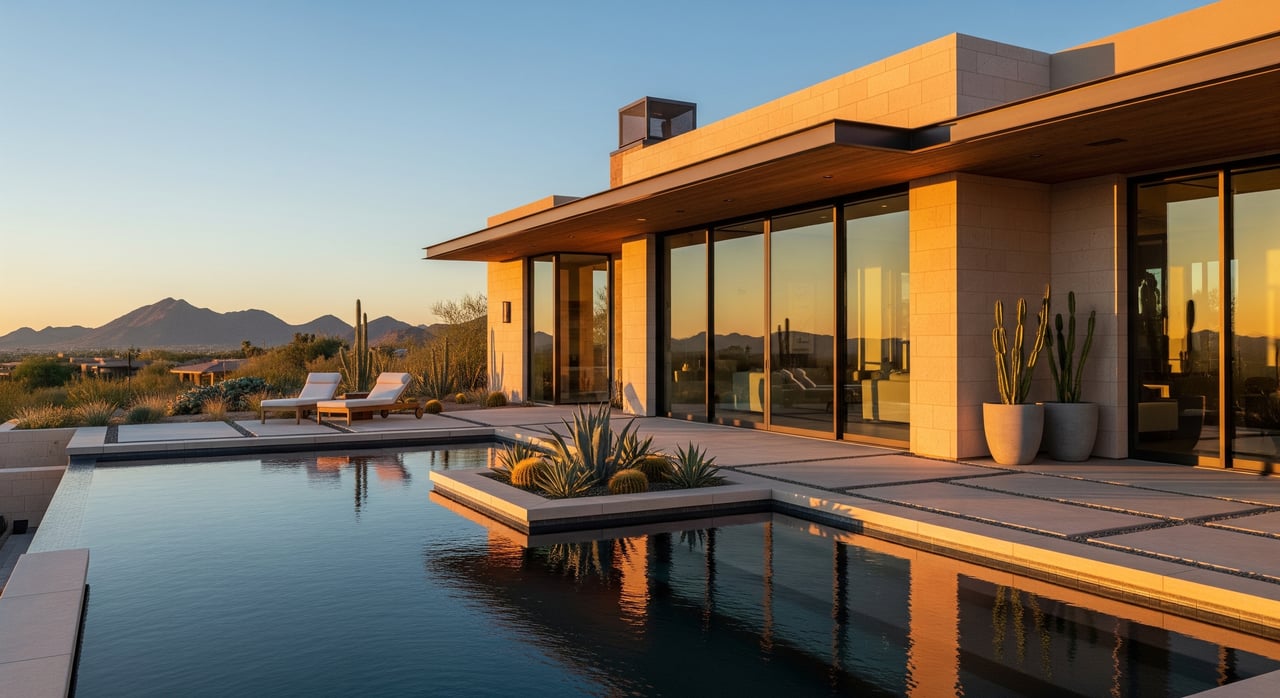
Scottsdale’s sun is a lifestyle asset and a design challenge. If you are choosing a lot or preparing a luxury home for sale, the way a property faces the sun can shape daily comfort, energy use, and how much you enjoy your outdoor spaces. The desert’s bright skies reward smart orientation decisions, and there are clear tradeoffs you can manage with good design. In this guide, you will learn how north, south, east, and west exposures behave in Scottsdale, what that means for interiors, patios, and pools, and which upgrades matter most for buyers and sellers. Let’s dive in.
Why orientation matters in Scottsdale
Scottsdale sits near 33.5° north latitude with a hot desert climate. Summers are long and very hot, often reaching the mid 100s Fahrenheit in July. Winters are short and mild, with daytime highs in the mid 60s. The region sees abundant sunshine most of the year, so solar gain is a major factor for comfort and cooling.
In this climate, lot orientation affects how your home warms up, where glare shows up, and how usable your patio and pool are during peak heat. It also affects energy features like photovoltaic placement and the way outdoor rooms need to be shaded.
Sun angles at 33.5° N
- Around the summer solstice, the sun sits high at midday, near an 80 degree altitude. Shadows are short, and horizontal shade can be very effective.
- Around the winter solstice, the sun sits low at midday, near a 33 degree altitude. Low winter sun can reach deep into rooms and under overhangs.
- In summer the sun rises north of east and sets north of west. In winter it rises south of east and sets south of west. This changes how much morning or evening sun each facade receives.
These basics explain why certain exposures feel cooler, brighter, or more comfortable at specific times of day.
How each exposure feels indoors
- North-facing: Delivers consistent, diffuse daylight with minimal direct sun, especially in summer. It is typically the most stable, low glare side of a home and helps keep cooling loads down.
- South-facing: Gets sun most of the day. Low winter sun can provide passive warmth, and high summer sun is easier to block with horizontal overhangs. South roofs also favor photovoltaic output.
- East-facing: Receives direct morning sun when outdoor air is cooler. Great for morning rooms and early risers, but it can create glare at breakfast if not managed with shades.
- West-facing: Takes on intense, low angle afternoon sun during the hottest part of the day. This is usually the toughest exposure in summer for both heat gain and glare.
- Diagonal orientations: Southeast reduces late day heat while keeping morning light. Southwest and west of south capture sunsets and views but need stronger shading and higher performance glazing to stay comfortable.
Daylighting and glare control
North glass provides steady natural light that is easy on the eyes, which works well for living spaces, art display, or home offices. East glass can be pleasant in the morning but may cause glare without simple shades. West glass creates strong, low angle glare that is hard to control with interior blinds alone. The interior palette, furniture placement, and window treatments all help, but orientation is the starting point.
Shading that works here
You can manage Scottsdale sun with the right shade strategy on each facade.
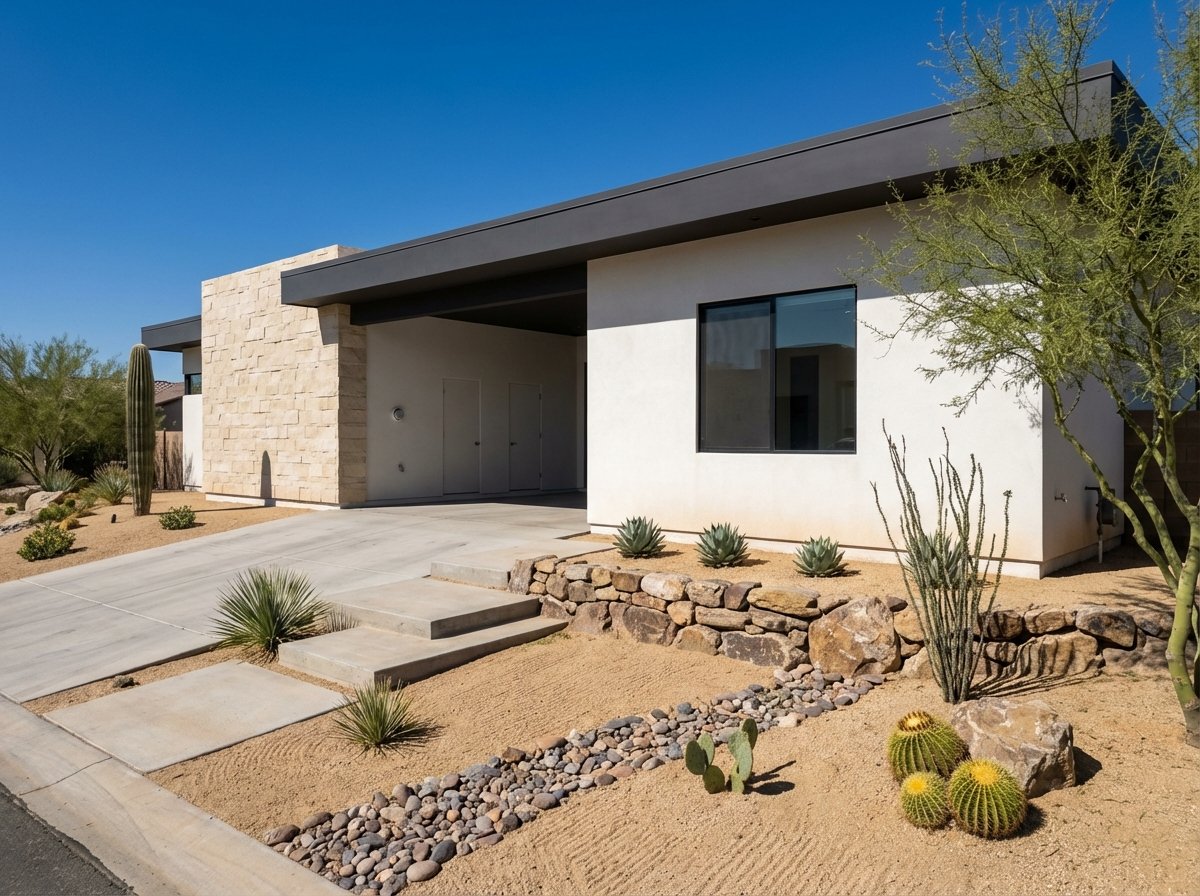
- South facades: Horizontal overhangs are very effective. A common rule of thumb near this latitude is an overhang depth roughly one half to one times the window height, sized to block high summer sun while admitting low winter sun. Exact sizing depends on window height and your seasonal goals.
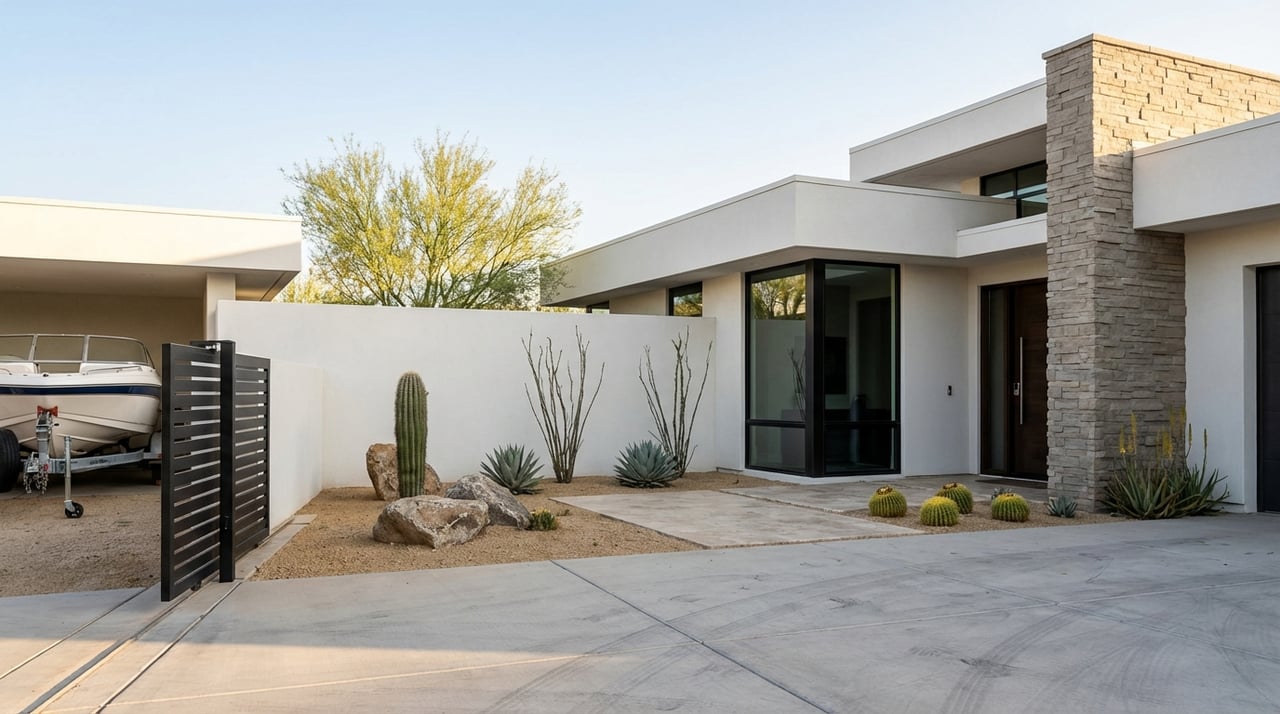
- West facades: Vertical fins, deep recesses, or motorized exterior screens block low angle late afternoon sun more effectively than horizontal overhangs alone. High performance, low solar heat gain glass is a helpful layer.
- North facades: Larger windows can be comfortable here, since direct solar gain is limited. This is where you can lean into glare free daylight.
- Landscape shade: Tree canopies, pergolas, and shade sails reduce radiant heat and improve comfort on patios. Deciduous trees can allow winter sun while filtering summer light, though any tree in the desert will need irrigation.
Outdoor living, patios, and views
West facing patios
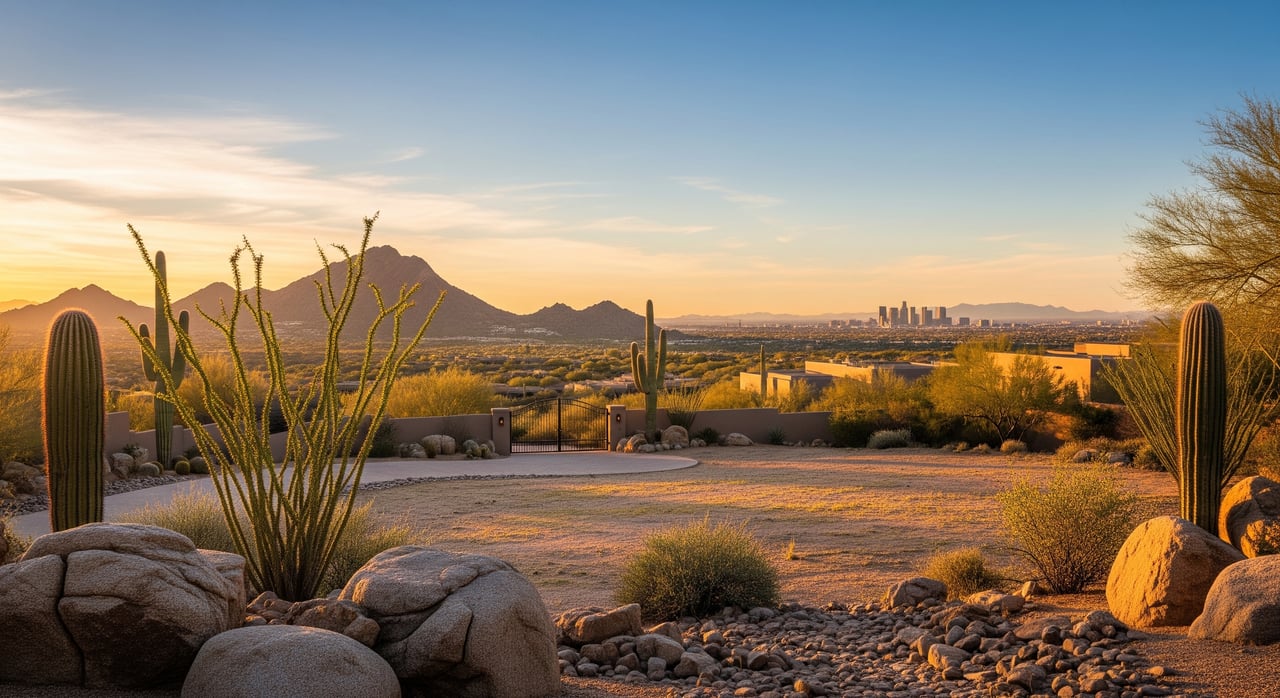
- Pros: Evening light and sunsets can be spectacular, which is a draw for entertaining and view driven lots.
- Cons: Late day heat in summer can make spaces uncomfortable without strong shade, fans, or misters.
East facing patios
- Pros: Pleasant morning sun and shaded afternoons feel cooler in peak season. Great for morning coffee or workouts.
- Cons: Less evening light and fewer sunset views.
South facing patios
- Pros: Welcome winter sun and midday light. Proper horizontal shade can make these spaces useful in summer.
- Cons: Midday heat in summer can be intense without robust coverage.
North facing patios
- Pros: Naturally shaded and cooler in summer. Consistent, indirect light suits outdoor rooms.
- Cons: Limited direct sun in cooler months.
Your best orientation depends on whether you value sunsets and evening gatherings, or morning routines and cooler afternoons. Many luxury homes pair a primary shaded loggia with secondary terraces to capture both use cases.
Pool placement and comfort
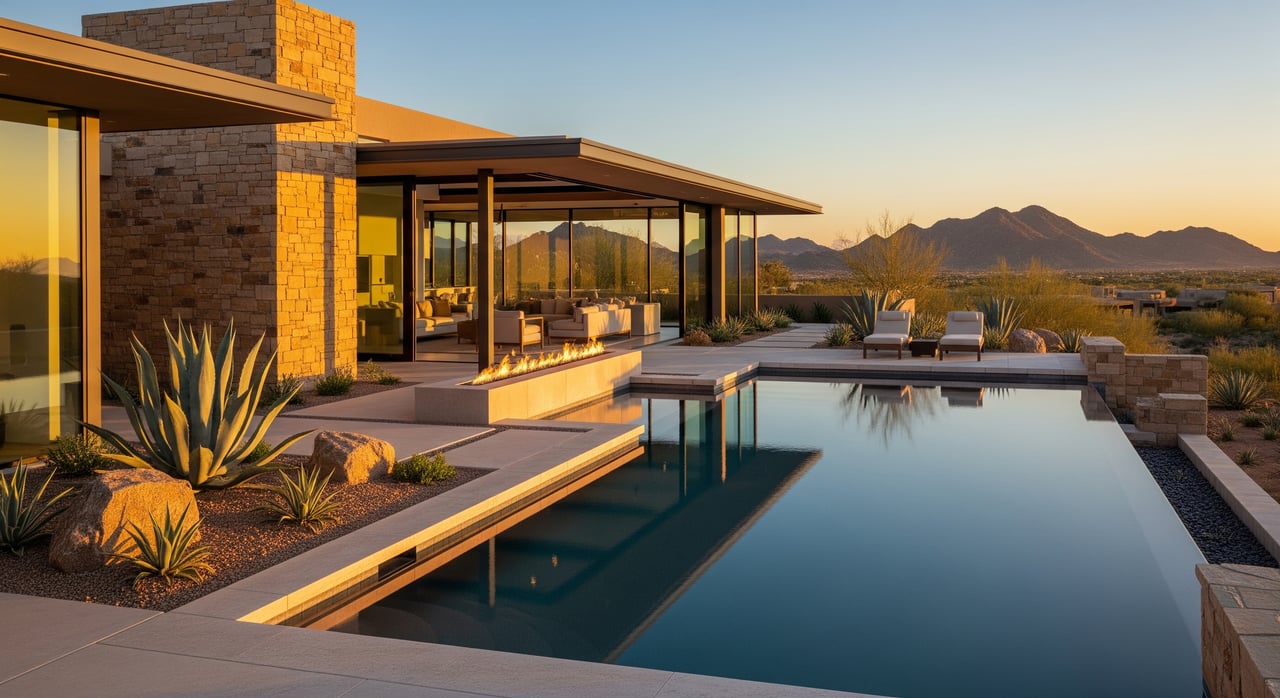
Pools in Scottsdale benefit from generous sun to warm water naturally. Many owners prefer midday and early afternoon sun across the pool surface. At the same time, strong late day sun can push surrounding hardscape temperatures up and increase evaporation.
Consider these factors as you plan or evaluate a pool site:
- Sun exposure: East or southeast orientations often provide morning through midday sun with cooler late afternoons. West or southwest positions favor sunset ambiance but need more shading to stay comfortable.
- Evaporation and wind: High heat, low humidity, and wind speed up evaporation. Wind breaks such as walls, hedges, or pergolas help maintain water temperature and reduce loss.
- Heating options: Passive solar collectors perform well in Scottsdale, typically oriented toward the south. Pool heaters and solar blanket covers extend the shoulder seasons and reduce nighttime losses.
Photovoltaics and roof orientation
South facing arrays at a tilt near latitude tend to maximize annual solar production. West facing arrays shift more output into late afternoon hours, which can better match typical cooling demand peaks, though annual totals are usually lower than south. Roof orientation, shading from nearby features, and system size determine what is possible on a given property.
Upgrades that boost comfort and marketability
If you plan to sell, orientation informed improvements can make your home feel better during showings and reduce buyer objections. These options are ranked by typical cost and impact.
Low to medium cost, high impact
- Add exterior solar shades, motorized screens, or retractable awnings on west and sunny south exposures.
- Apply high performance window films or upgrade to low emissivity glass with strong solar heat gain reduction on west facing windows.
- Install vertical trellises, fins, or shade sails to block late afternoon sun.
Medium cost, high impact
- Extend overhangs or build pergolas with operable shade to increase covered outdoor area.
- Add landscaping that provides shade and wind protection at strategic points near patios and pools.
Higher cost, high impact
- Reconfigure a patio or, where feasible, relocate a pool to improve sun and wind exposure.
- Integrate outdoor cooling such as ceiling fans or mist systems, and consider pool heating with solar support.
- Install a photovoltaic system designed around the roof’s best southern exposure.
These changes can improve daily livability and send strong signals to luxury buyers who expect comfortable, year round outdoor spaces.
Buyer walkthrough checklist
Use this quick list when touring Scottsdale properties:
- Note the orientation of main living spaces, the primary suite, and outdoor rooms.
- Check for large west facing glass and whether there are exterior shades, deep recesses, or fins.
- Visit late afternoon in hot months to gauge real conditions for heat and glare.
- Review landscaping maturity and whether pools or patios have wind protection.
- Ask about cooling costs, HVAC zoning, any photovoltaic system, and pool heating or cover use.
Permits, HOA, and the right pros
Pools, significant grading, retaining walls, permanent shade structures, and major electrical work such as photovoltaic installations usually require permits through the City of Scottsdale’s Development Services and Building Safety. Most luxury neighborhoods also have HOA rules that govern visible changes like roof mounted solar, pergolas, pool fencing, and front yard landscaping. Check CC&Rs early and plan timelines with permitting in mind.
For larger upgrades, involve a local architect who understands desert solar design, a landscape architect with xeriscape expertise, a licensed pool contractor versed in solar heating and wind protection, and a photovoltaic contractor who can optimize orientation and shading. These pros help you align comfort, code, and long term value.
The bottom line
There is no single perfect orientation for every lot in Scottsdale. What matters is how a home manages the sun with smart glazing, shading, and outdoor room design. North and well shaded south exposures support cool, low glare interiors. East and southeast patios balance morning light with cooler afternoons. West views can be stunning, and with the right shade strategy they can be comfortable too.
If you want an orientation savvy plan for a purchase or a sale, work with an advisor who understands both building science and market expectations. For a tailored assessment of your lot, pool, and outdoor living potential, connect with Brian Snodgrass for discreet, technically informed guidance.
FAQs
What is the best home orientation in Scottsdale?
- There is no universal best. For cooling and low glare interiors, north and well shaded south work best. For evening entertaining and views, west or southwest can be ideal with strong shading and high performance glazing.
How does west facing glass affect cooling costs?
- West glass drives the largest late day heat and glare, which increases peak cooling loads. You can manage it with exterior vertical shading, deep recesses, and low solar heat gain glazing.
Which way should my patio face for summer comfort?
- East or southeast patios feel cooler in the late afternoon while still getting morning sun. North patios are naturally shaded and comfortable in summer with limited winter sun.
Where should I place a pool for the best sun?
- East or southeast positions deliver morning to midday sun and cooler evenings. West or southwest locations favor sunset ambiance and warmth but need more shade and wind protection to stay comfortable.
How should I size overhangs on south windows?
- A common guideline near this latitude is an overhang depth roughly one half to one times the window height, sized so high summer sun is blocked while low winter sun can enter. Exact dimensions depend on window height and your seasonal goals.