Should you renovate that classic North Scottsdale home or clear the slate and build new? It is a big call with real cost, time, and resale implications. You want modern comfort, smart investment, and as few surprises as possible. This guide gives you a clear local framework to compare both paths across costs, rules, financing, timelines, and marketability so you can move forward with confidence. Let’s dive in.
North Scottsdale reality check
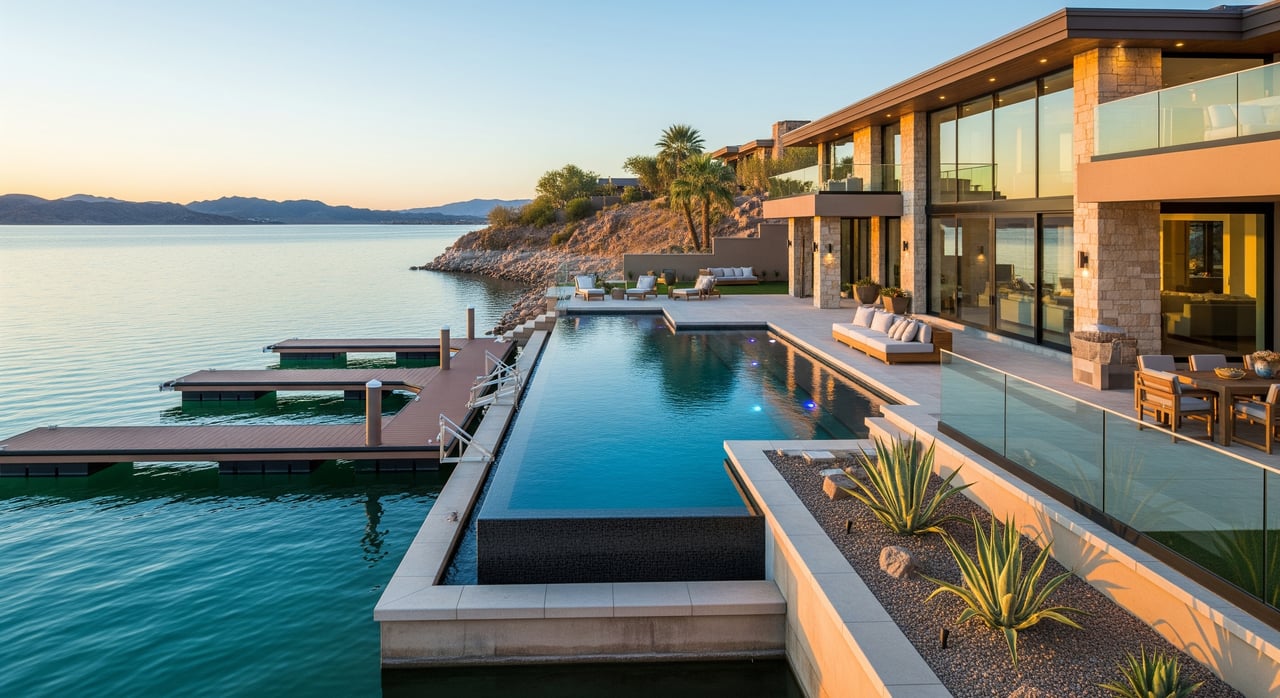
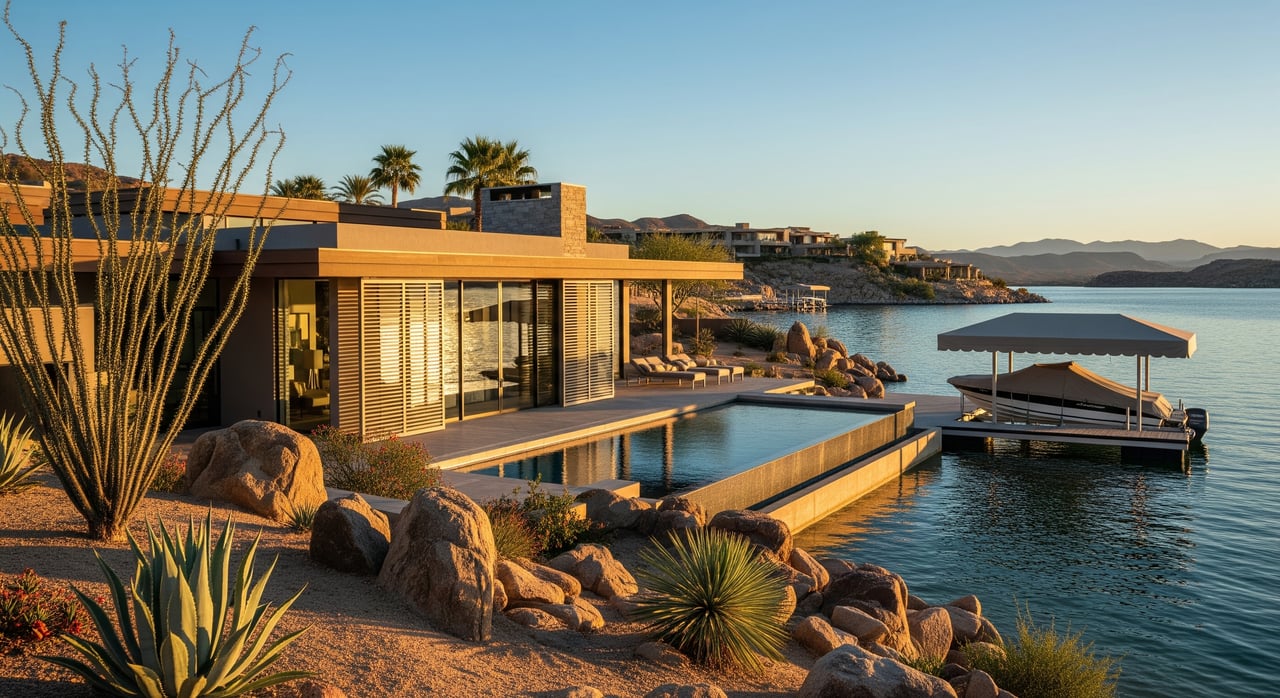
North Scottsdale mixes luxury master-planned communities with non‑HOA pockets on larger desert lots. Many properties sit on sloped or rocky terrain with native vegetation, which affects feasibility, design, and cost. Buyers in this area often want open plans, indoor and outdoor living, energy-efficient systems, and quality finishes. With many 1970s–1990s homes still in play, the renovate vs rebuild choice is common and very site specific.
Cost drivers at a glance
Costs fall into hard construction, soft fees, financing and carry, and contingency. Architecture, engineering, permits, and fees often add 10–20 percent to hard costs. Budget a 10–20 percent contingency, and consider higher reserves when renovating older structures with unknowns. Carrying costs rise with project length, so timelines matter.
New build cost drivers
- Site preparation on desert and hillside lots can be significant. Think grading, retaining walls, rock removal, and driveway work.
- Infrastructure may include new utility extensions, septic or sewer tie-ins, and irrigation setups.
- Custom finishes, pools, and outdoor living spaces drive budgets. Lot-specific design to capture views can add complexity.
- If you are buying land, the lot price can be a large part of the total investment.
Renovation cost drivers
- Scope is everything. Cosmetic updates cost less than structural reconfigurations that move walls or redo mechanical, electrical, and plumbing.
- Hidden conditions raise costs and time. Older plumbing, electrical, roof, or drainage issues, plus termite or material hazards, can change the plan.
- Phased remodeling can spread spend over time but may increase total cost.
Soft costs, carry, and contingency
- Soft costs include design, engineering, surveys, soils reports, permits, inspections, and HOA design review fees.
- Carrying costs include construction loan interest, taxes, insurance, utilities, and temporary housing if needed.
- Keep a proactive contingency. Older homes and difficult terrain benefit from higher reserves.
Timelines you can expect
A custom new build commonly runs 12–24 months from permit approval to completion. A moderate interior renovation often takes 3–6 months. Whole-house or major structural remodels can span 6–12 months or longer. Plan review, permits, and HOA approvals may add weeks or months before any construction starts.
Rules, permits, and HOA checkpoints
Start with jurisdiction. Many North Scottsdale properties are under the City of Scottsdale, while some outlying parcels fall under Maricopa County. Zoning sets setbacks, height, and lot coverage. Hillside, slope, floodplain, and drainage rules can affect grading, foundations, and stormwater retention.
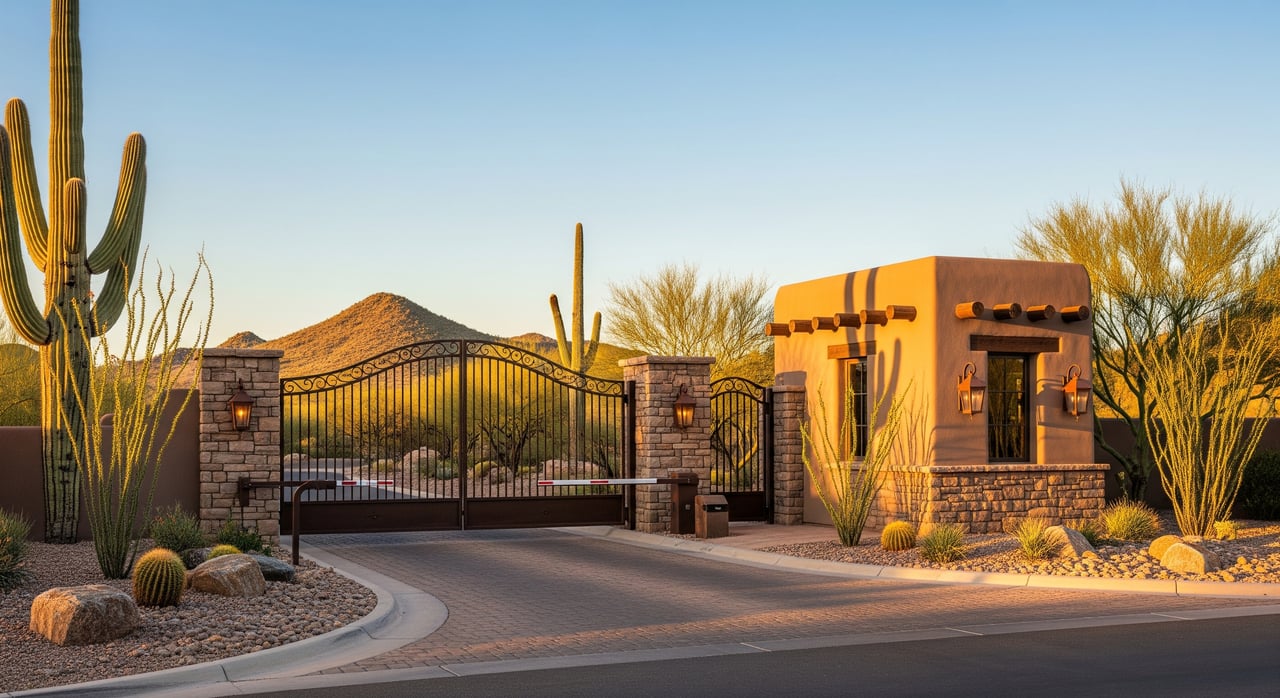
Many master-planned communities require design review. Boards may regulate materials, colors, rooflines, walls, and landscape plans. Approval timelines vary and can add weeks or months, plus submittal fees. Landscaping plans often favor water‑conserving design consistent with desert conditions.
Key early checks:
- Confirm city vs county jurisdiction and request applicable zoning and setbacks.
- Order a current site survey and, if topography suggests it, a soils or geotechnical report.
- Secure HOA architectural guidelines before drawing plans.
- Verify septic vs sewer and any required utility upgrades.
Financing paths that fit
Financing will shape your path and risk profile.
- Construction-to-permanent loans combine build financing with a mortgage conversion at completion.
- Construction-only loans are short term and must be refinanced or paid off after completion.
- Renovation loans include FHA 203(k) for eligible owner-occupied projects and conventional options like Fannie Mae HomeStyle or Freddie Mac CHOICERenovation.
- HELOCs and home equity loans are common for renovations, subject to credit and loan-to-value limits.
- Cash is frequent in the luxury segment and reduces financing complexity.
Expect assessed value to rise after major improvements or new construction, which can raise property taxes. Distinguish capital improvements from maintenance for potential basis adjustments and speak with a tax advisor for specifics.
Resale and ROI in this market
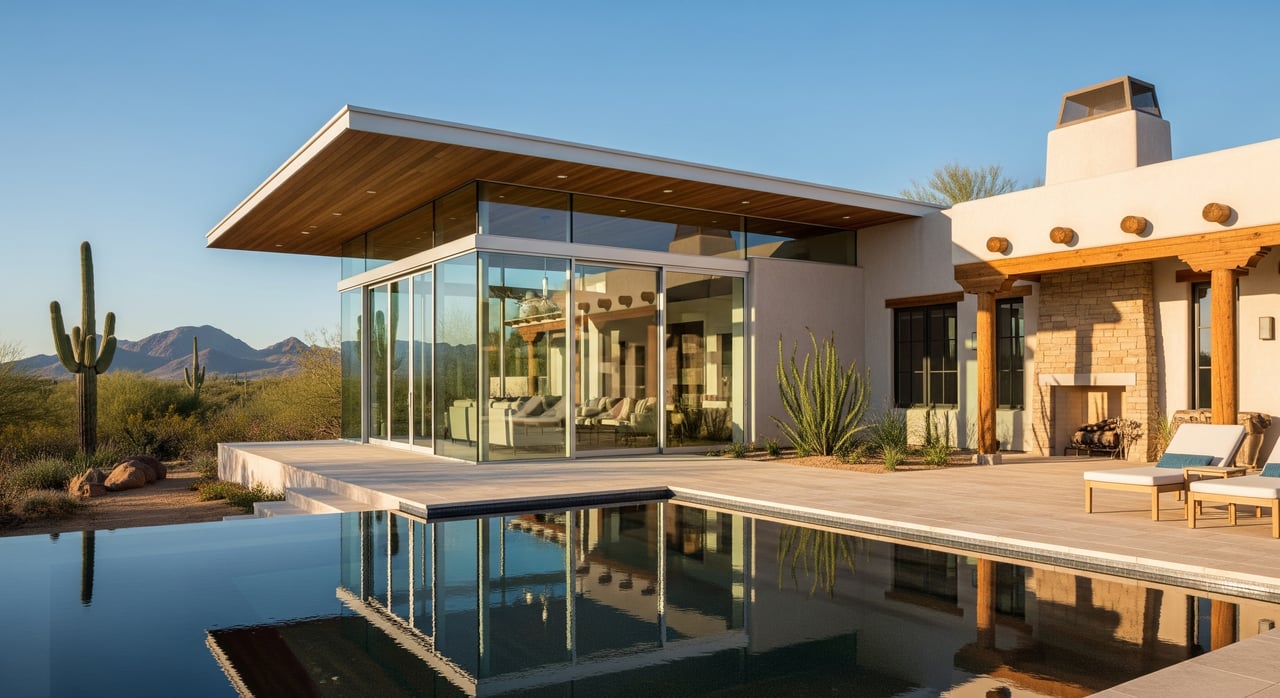
North Scottsdale buyers favor modern, open layouts, high-quality systems, and low-maintenance desert landscapes. Outdoor amenities like pools, covered patios, and casitas are common wants. Cosmetic and moderate remodels, especially kitchens and bathrooms, often recapture more value than highly personalized luxury choices. If a layout is deeply outdated or the lot supports a much better product, a teardown and rebuild can create more value, but only if the gain exceeds demolition and construction costs.
For accuracy, benchmark your plan against recent comparable sales for both renovated homes and new builds in the same neighborhood. Use regional remodeling ROI data along with local comps to set realistic price ceilings.
Decision framework: renovate or rebuild?
Use a simple process to evaluate both paths side by side.
- Assess current condition
- Order a full home inspection plus specialists for roof, electrical, plumbing, HVAC, and termite.
- Document system age and any structural concerns that limit layout changes.
- Study the site and rules
- Get a site survey and confirm setbacks, easements, and slope.
- Check hillside, floodplain, septic vs sewer, and HOA design rules.
- Build a financial model
- Price hard and soft costs, add 10–20 percent contingency, and include carrying costs.
- Compare the estimated “after” values for both a renovated home and a new build on the same lot.
- Align with your timeline and lifestyle
- Consider occupancy. Are you willing to live through a remodel or will you move out during construction?
- Factor in seasonal realities like summer heat and monsoons that can affect scheduling.
- Test the market case
- Review recent comps and buyer preferences for your area and price tier.
- Avoid assuming dollar-for-dollar recovery on any single upgrade.
Side-by-side: when each path fits
Choose the option that best matches your lot, goals, and risk tolerance.
Renovate when:
- The structure is sound and layouts can be improved without major structural changes.
- Systems can be updated efficiently and hidden conditions seem manageable.
- You want faster delivery and lower carrying costs compared with a new build.
Build new when:
- The layout is functionally obsolete, or the lot supports a much better design.
- Hillside or site constraints make partial fixes inefficient compared with a clean design.
- You want top-tier energy efficiency, optimized views, and a fully modern plan that can command premiums with the right comps.
Practical next steps
- Order inspections and a site survey now.
- Confirm jurisdiction, zoning, setbacks, and HOA guidelines.
- Request high-level budget and timeline estimates from both a remodel-focused team and a custom builder.
- Ask a local appraiser or experienced agent for “after” value opinions on both scenarios.
- Build a side-by-side budget that includes soft costs, contingency, and carry.
How we help you decide
You deserve clear, technical guidance and a market lens that protects your investment. With builder-level insight into renovation budgets, entitlement risk, and site feasibility, paired with boutique luxury marketing and team-backed execution, you can choose your path with confidence. Whether you plan to modernize or start fresh, you will have a plan that aligns design, costs, approvals, and resale.
Ready to explore your options in North Scottsdale? Connect with Brian Snodgrass for a private consult and a tailored new-build vs renovation roadmap.
FAQs
How do I decide between renovating or rebuilding in North Scottsdale?
- Compare condition, site constraints, total costs including soft and carry, likely “after” values, timeline tolerance, and HOA or permitting complexity.
Will a teardown or major remodel raise my property taxes in Maricopa County?
- Significant improvements that increase market value commonly lead to reassessment, so plan for higher property taxes after completion.
How do HOA design review rules affect my project in master-planned communities?
- Many communities require design submittals and approvals that control materials, colors, rooflines, and landscaping, adding time and fees to the process.
What water-use or landscaping rules apply in Scottsdale’s desert climate?
- Local programs favor water-conserving landscapes and efficient irrigation, which should be reflected in your landscape plan and operating cost projections.
What financing options cover renovations and new construction?
- Options include construction-to-permanent loans, construction-only loans, FHA 203(k), HomeStyle or CHOICERenovation, HELOCs, and cash depending on your situation.
How long does a custom new build take compared with a major remodel?
- Custom new builds commonly run 12–24 months after permit approval, while major remodels often take 6–12 months, with permits and HOA reviews adding time.